What if Your Trash was Actually an Untapped Resource?
For many, waste is the end of a product’s life cycle, but for Ifeoluwa Joshua Garba, an innovator in the greenlabs Powering Food Systems Incubation Program, it is where innovation begins.
Through Ecobag Mart, he is converting agricultural waste such as dry grass and corn stalks into eco-friendly paper bags, offering a clear alternative to plastic packaging while addressing a deeper environmental challenge.
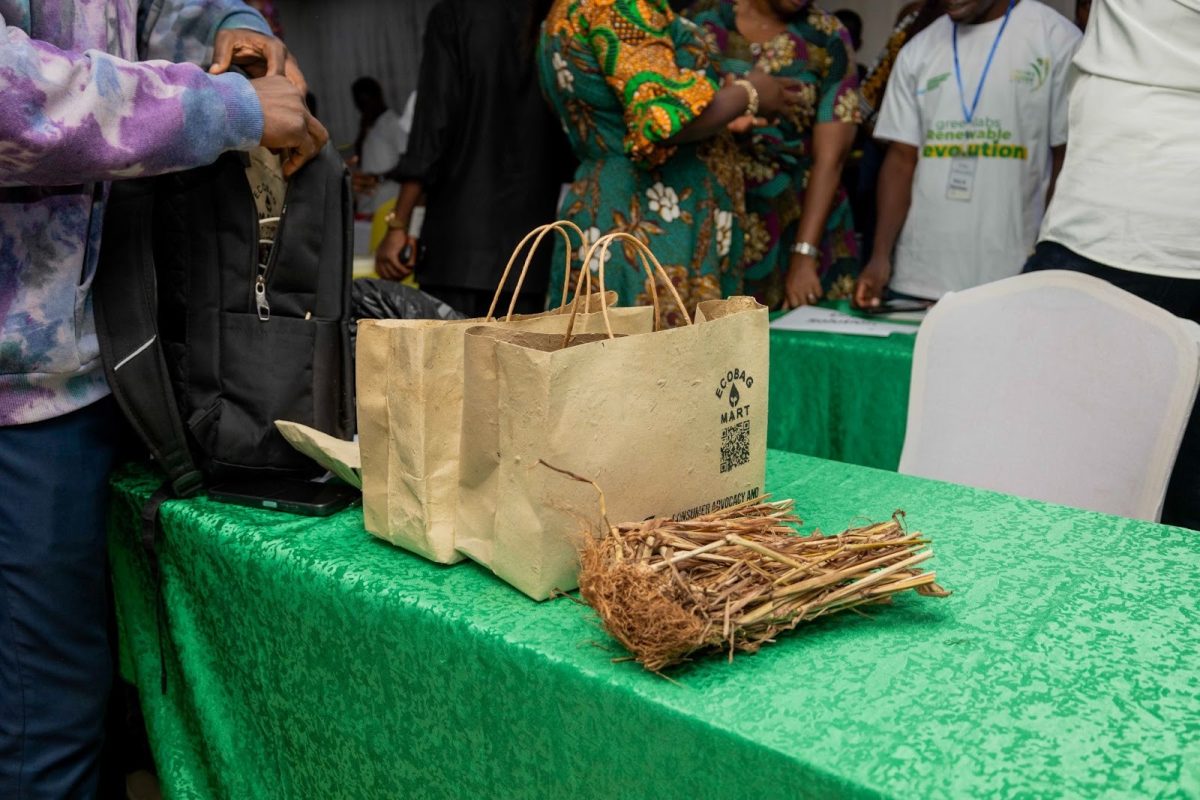
But the idea is only one part of the story. Ifeoluwa thinks that sustainability is not something we can afford to treat as an afterthought. It has to be built into how we design, produce, and consume. This thinking sits at the core of Ecobag Mart, connecting environmental responsibility with economic opportunity. By reducing plastic waste and repurposing agricultural by-products that would otherwise be discarded or burned, EcoBag Mart not only addresses pollution but also contributes to lowering emissions and creating additional value for local farmers.
Like many early-stage solutions, the journey did not begin fully formed. Participating in the greenlabs Powering Food Systems Innovation Challenge marked a significant milestone. It provided the structure needed to move beyond a promising idea into something more deliberate and scalable.
“It pushed me to think beyond the idea and focus on building something that can actually scale and create impact,” Ifeoluwa says.
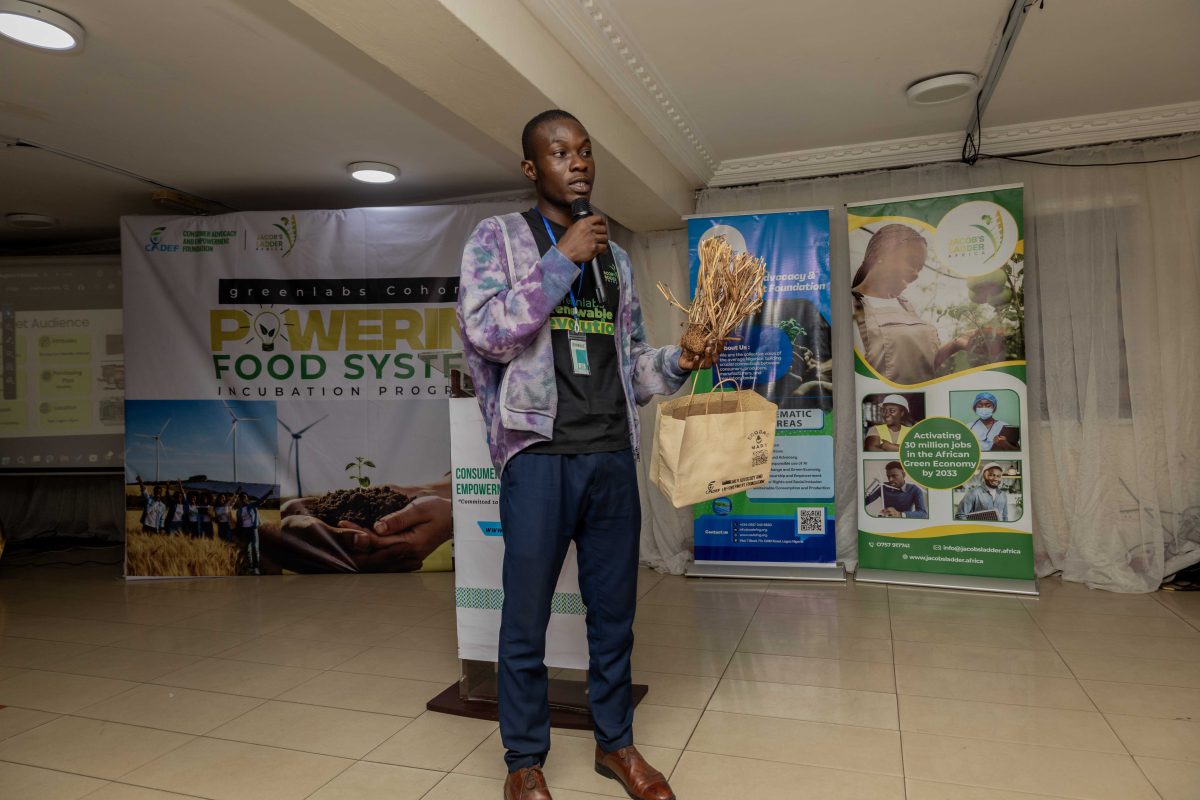
This shift, moving from concept to enterprise, is why greenlabs exists. Through the support it offers to innovators at the intersection of food systems, sustainability, and energy, the program creates an environment where ideas are tested, refined, and positioned for real-world applications.
It is not just about creating alternatives, it is about building systems that work better for people, for the environment, and for the future.
As the greenlabs incubation programme continues to widen its impact, we are reminded that the future of sustainability will not only be driven by policy or global commitments but also by individuals who see problems clearly and choose to act.
Stay tuned for more updates on CADEF’s impact on sustainability and the green economy.