Here’s What Our Product Safety Survey Revealed…
Every year, World Consumer Rights Day allows consumer organizations around the world to do more than mark a date. This year, under the global theme Safe Products, Confident Consumers, Consumer Advocacy and Empowerment Foundation (CADEF) took it as a call to action and delivered.
What we did
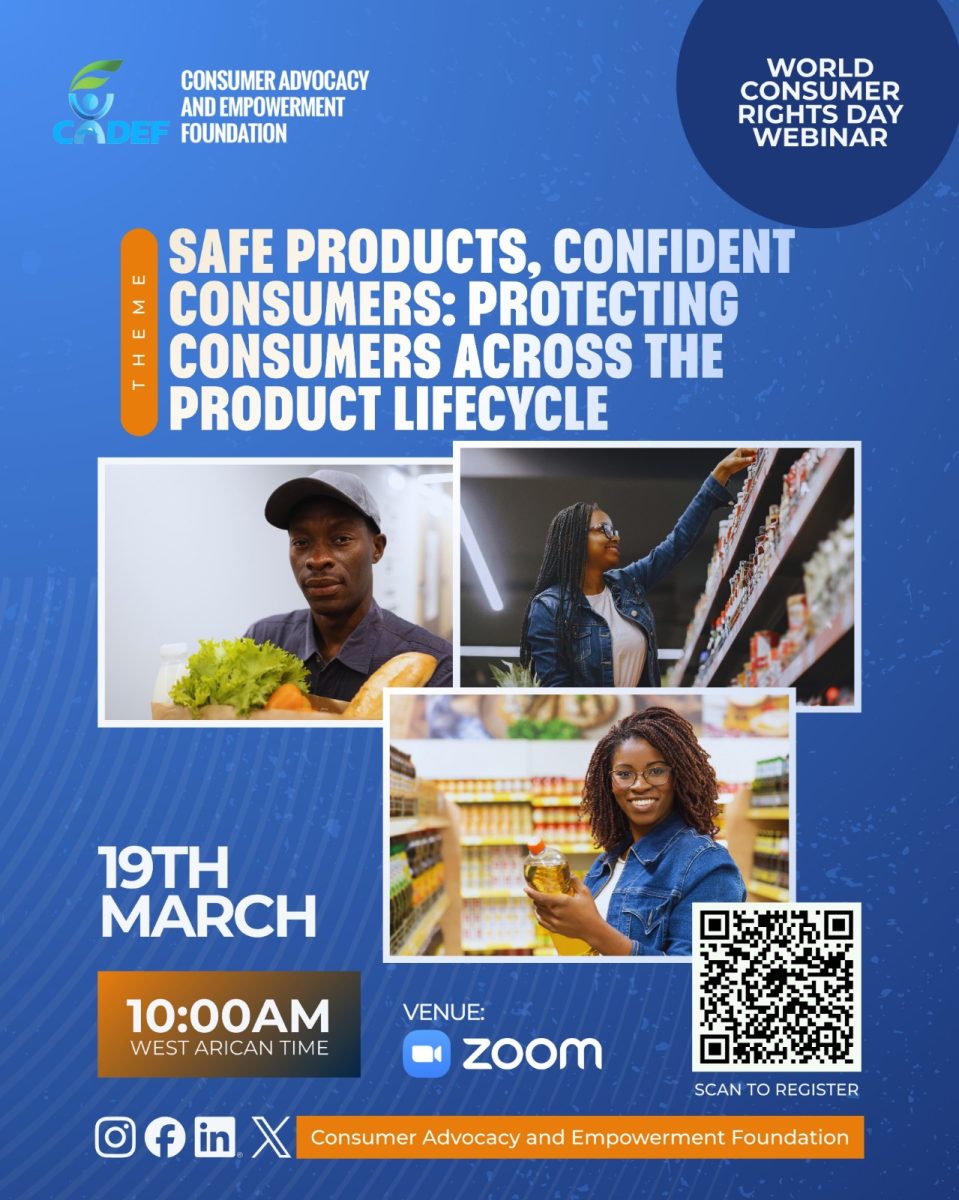
We launched a nationwide product safety survey spanning all six geopolitical zones to understand how Nigerians experience product safety in practice. Survey findings were compiled into a full report, with data, analysis, and recommendations for regulators and market actors. We also hosted a webinar to discuss the findings openly, bringing manufacturers, regulators, consumer advocates, and the general public into a direct conversation. Across our platforms, we pushed the conversation on product safety: what consumers are facing and what needs to change.
Download the full National Product Safety Survey Report 2026
What the data tells us
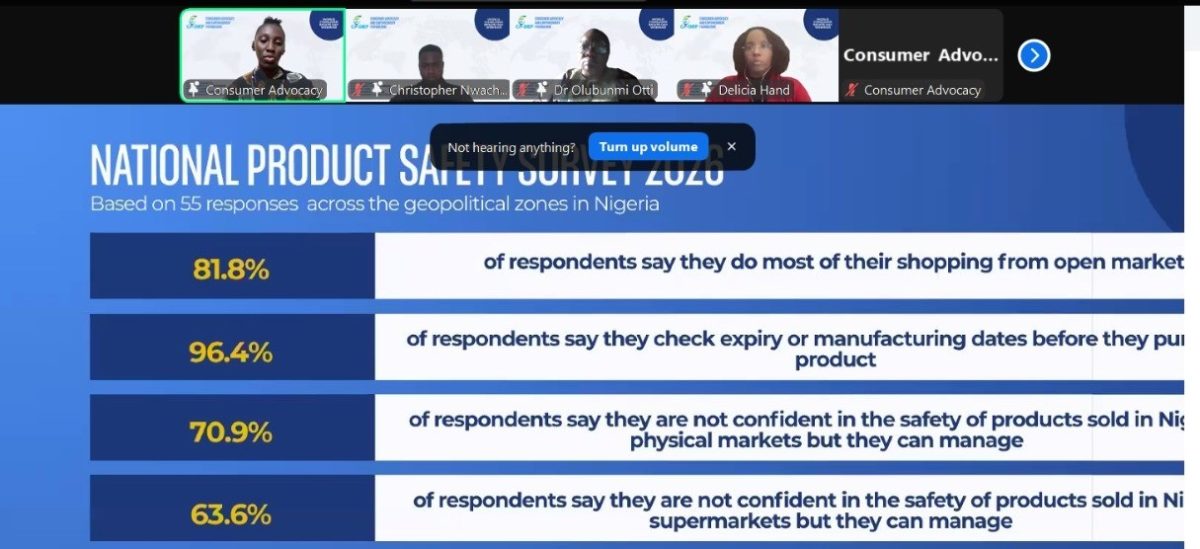
The numbers are hard to ignore. 96.4% of Nigerian consumers check expiry or manufacturing dates before buying, yet 60% of them have seen expired goods on open shelves, and 43.6% have encountered counterfeit products more than once. This is happening against a backdrop where the National Agency for Food and Drug Administration and Control (NAFDAC) seized and destroyed over ₦120 billion worth of unsafe products in just the second half of 2024 alone.
The problem doesn’t stop at the shelf. 70.9% of consumers who encounter unsafe products choose to warn friends and family rather than file a formal complaint, not because they don’t care, but because 72.7% doubt that the formal system will respond effectively. Meanwhile, 81.8% of respondents shop mainly in open markets, spaces that remain the hardest to regulate and the easiest for unsafe products to penetrate.
The result is a consumer who is alert but unprotected, careful but unsupported, and a system that is absorbing the consequences without fixing the cause.
For us at CADEF, these findings further shape our policy engagements, strengthen our consumer education work, and sharpen the questions we bring to every conversation with regulators and market actors. The data is there. The gaps are clear. Now it needs to reach as many hands as possible.