
 Community Support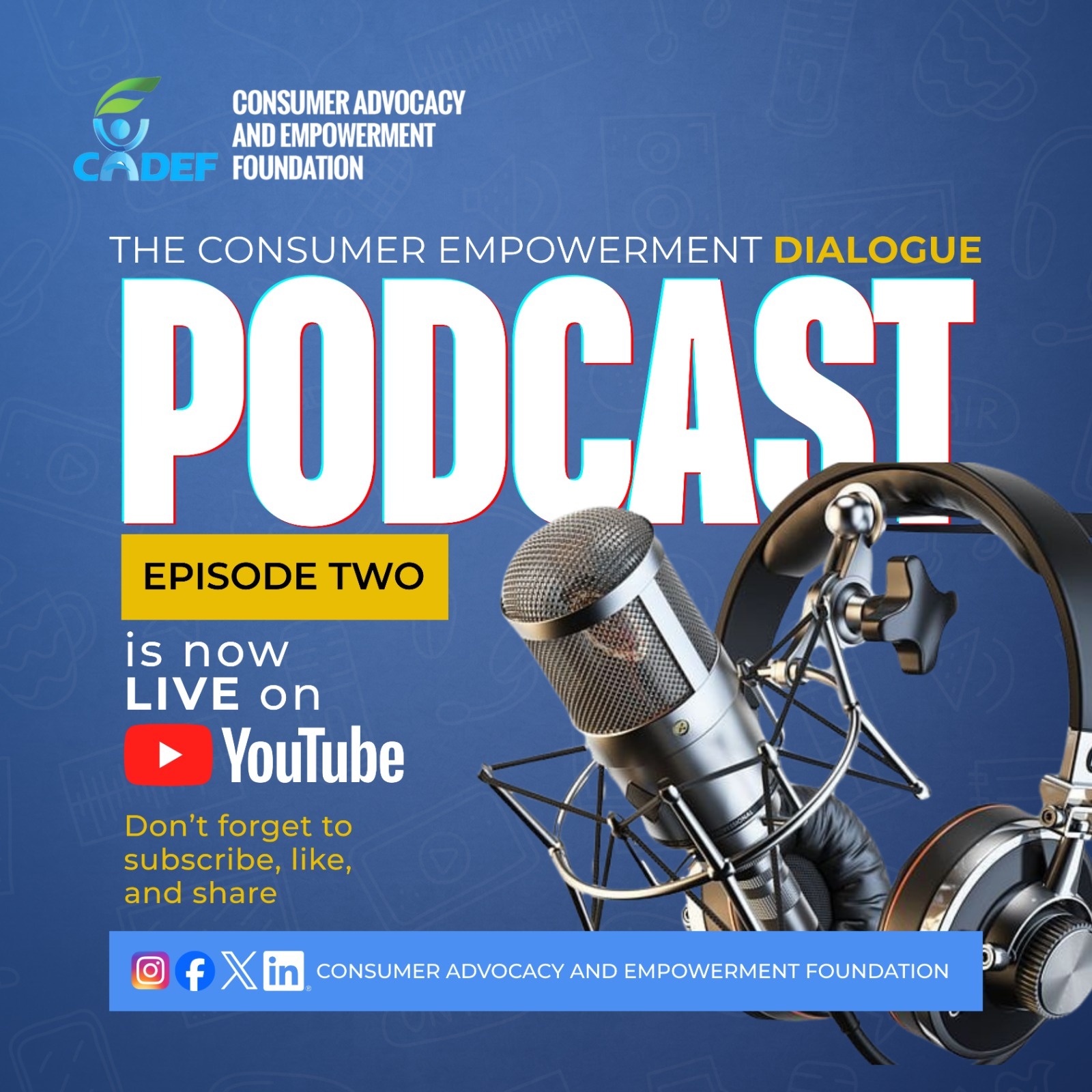
Walk into any pharmacy or supermarket in Nigeria today, and you will find numerous shelves lined with baby food products, complete with colourful packaging, happy, smiling babies, and labels that read "nutritious".
Many parents buy these products in good faith every day. However, majority of them are unaware that many of those same products contain added sugars, in food meant for children who have never tasted sugar before in their lives.
This is the conversation Consumer Advocacy and Empowerment Foundation (CADEF) sparked in the second episode of the Consumer Empowerment Dialogue, a podcast series dedicated to honest, meaningful conversations about the issues shaping and affecting the Nigerian consumer landscape.
Hosted by Rebecca Charles, Programmes Officer at CADEF, the episode titled Too Sweet to Be Safe: The Truth About Sugar in Baby Foods featured Dr. Faith Oluwadamilare, a general physician who sees firsthand the consequences of poor early nutrition decisions in her practice.
The World Health Organization's (WHO) recommendation on added sugar in food for children under two years is zero. Not minimal. Not reduced. Zero. Early repeated exposure to added sugar has now been linked to childhood obesity, disrupted taste preferences, dental decay, and a heightened risk of chronic diseases later in life. The first two years of a child's life, she explained, are a significant window because what a child eats during that period affects their health in ways that extend beyond childhood.
One of the most important aspects of this conversation was how to prepare baby food at home. Added sugar in infant feeding is not exclusive to manufactured products. Many mothers and grandmothers across Nigeria are guilty of adding sweeteners like processed sugar, honey, chocolate, and condensed milk to pap and custard because it is believed to encourage increased appetite. These habits, though done with good intentions, need to stop.
Dr. Oluwadamilare also urged consumers to study baby food labels more carefully, and this is because of their lack of transparency. Parents and caregivers need to know that the word “sugar” hides behind several names on ingredient lists, such as corn syrup, maltodextrin, dextrose, and so on. Being able to translate labels is now a basic act of consumer protection.
This episode is more than content; it's part of a bigger campaign. CADEF has formally engaged the Standards Organization of Nigeria (SON) to push for the adoption of a mandatory zero-added-sugar standard for baby foods in Nigeria. This podcast episode was designed to build the public awareness and pressure needed to move that standard forward.
Watch the full episode here on YouTube and visit www.cadefng.org to participate in the ongoing survey on added sugar in commercially produced baby foods in Nigeria.
Share it with your network. You never know who needs to see this.