
 Community Support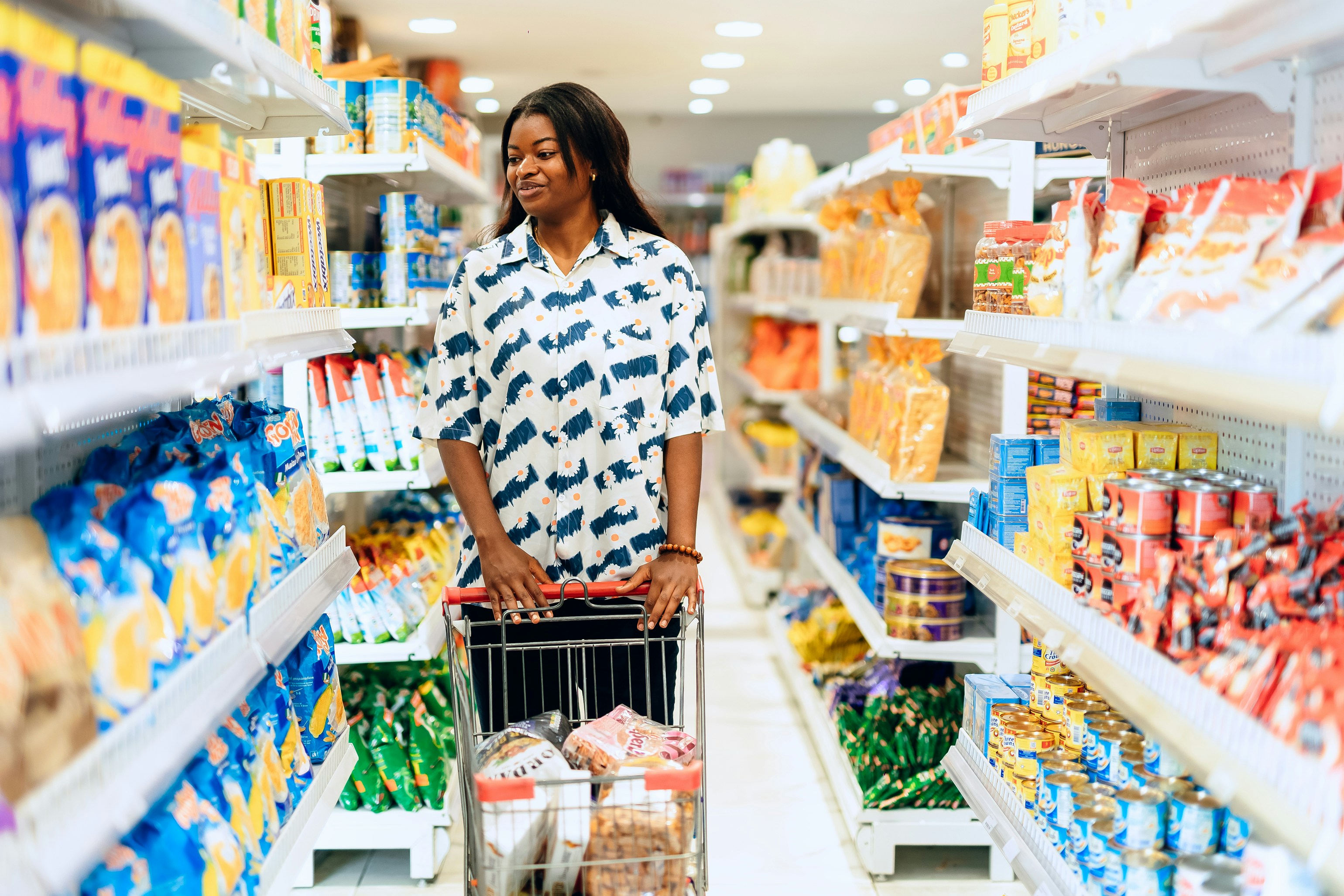
A quick stop at the supermarket after work, or maybe it's the pharmacy around the corner.
The same open market you've visited for years. The neighbourhood shop where everyone knows your name and your usual order.
You pick up a few things. Bread, a drink, and maybe a pack of sausage rolls for the trip home.
Before dropping them into your basket, you do what careful consumers do.
You check the expiry date and turn the product around in different directions, inspecting it to make sure nothing looks suspicious.
Then you pay and head home, believing you've done everything right.
Most of us do exactly the same.
Yet Consumer Advocacy and Empowerment Foundation (CADEF) nationwide product safety survey report revealed a very troubling and unsettling truth: being careful and paying attention alone is not adequate anymore, because despite all that caution, many people still become victims of expired products.
To mark World Consumer Rights Day 2026, the survey was carried out to better understand how Nigerians experience product safety in their everyday lives. The responses came from across the country's six geopolitical zones, and they paint quite a contradictory picture.
Almost all respondents (96.4%) said they check manufacturing and expiry dates before making purchases.
That should have been reassuring, but instead, it raises an important question.
If consumers are already doing their part, why are unsafe products still finding their way onto shelves?
The report points to a larger issue, one that goes beyond individual vigilance and speaks to the systems meant to protect consumers in the first place.
How do unsafe products slip through? What happens when they do?
Why are many consumers choosing to warn family and friends and not report through formal channels?
And what needs to change to ensure that safe products become the norm rather than a matter of luck?
The report explores these questions and offers insights and recommendations for consumers, businesses, regulators, and policymakers.
Read the full Product Safety Survey Report here and join the conversation on building safer markets for everyone.